Your people left. You’re going back.
Between 1845 and 1920, millions left Ireland through ports like Queenstown. Most never saw home again. Their great-grandchildren are my favourite guests, because this trip means something different to them.
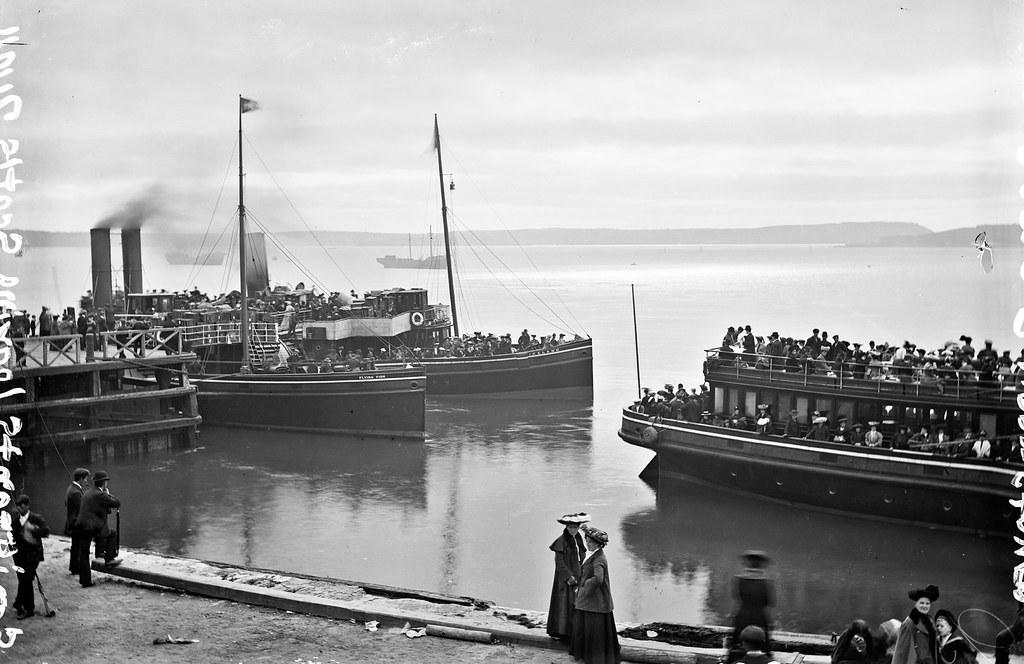
Here’s what a genealogy website can’t do: put you in the place. The tour companies I pair you with are experts in genealogy — parish registers, Griffith’s Valuation, the townland maps, and the local historians who read them for a living. The day that changes people is the day they drive you to the townland, knock on a door, and you stand where your great-grandmother last stood in Ireland.
Sometimes we find cousins. Sometimes we find a gable wall in a sheep field. Both are worth the journey, and I’ll be straight with you about what’s likely before you spend a single dollar travelling to find it.
How a roots trip comes together
- 1. You give me the surname and whatever you know — a county, a ship, a story.
- 2. I match you with the right genealogy-expert company, and they do the groundwork before you fly: records, local contacts, the right graveyard rather than the famous one.
- 3. We build the trip around the homecoming day, with the rest of Ireland wrapped around it.
What the records can actually find
People arrive afraid the records are gone. Most aren’t. Civil registration of births, marriages and deaths began in 1864; Catholic parish registers go back much further in many places; Griffith’s Valuation names nearly every head of household in the 1850s, townland by townland; and the 1901 and 1911 censuses survive in full. The 1922 fire at the Four Courts took the nineteenth-century census returns, and that’s the gap you’ll have heard about — a gap, not a wall.
What the records rarely give you is a standing house. Most emigrants left single-storey cottages that are long gone. What is nearly always still there: the field, the lane, the church where they were baptised, the graveyard — and, surprisingly often, a family of the same name farming a mile away. A surname and a county are enough to begin; a parish, a ship name or a year narrows it to a field. I’ve written a fullerguide to planning an Irish ancestry trip from the US, including where the family day should sit in the week and why tobring the grandchildren.
Start with the surname
The planner has a roots section — tell me what you know, even if it’s only a name.
Plan a roots trip